



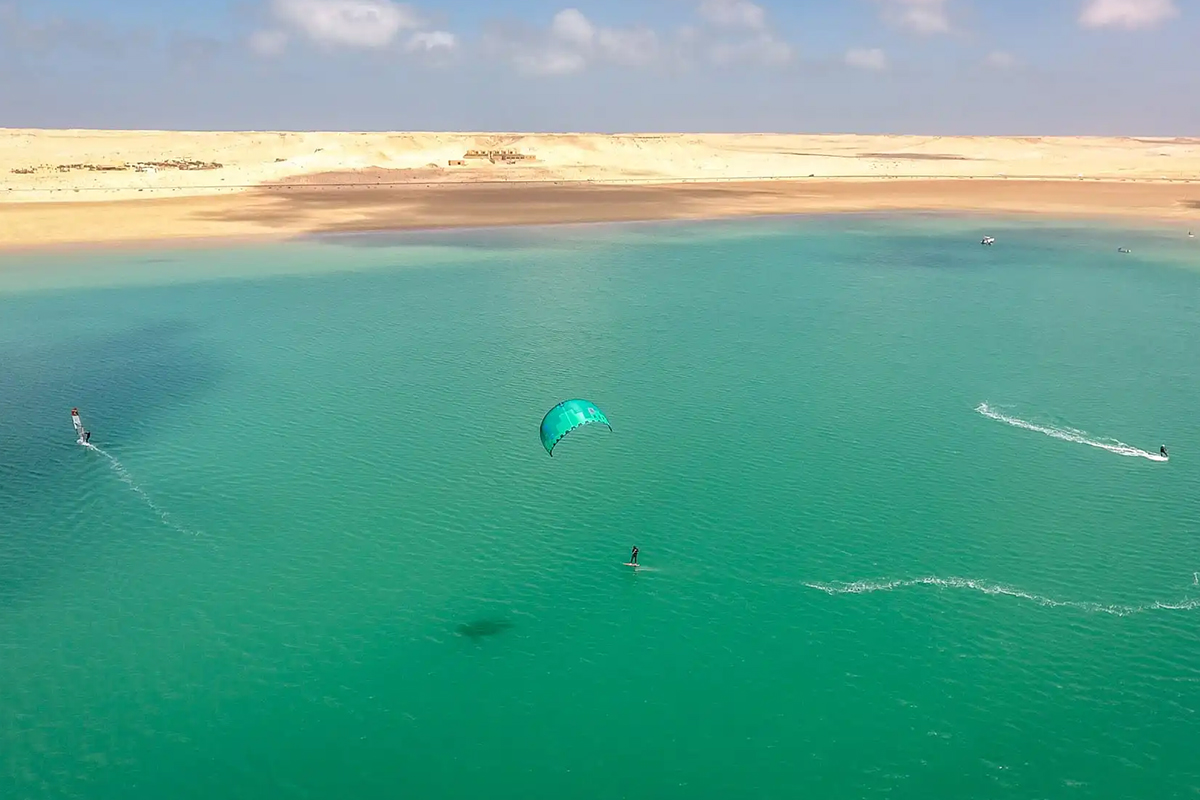
Where the Sahara Desert meets the Atlantic Ocean, something extraordinary happens. A narrow peninsula stretches into a turquoise lagoon, trade winds arrive almost every afternoon without fail, and the horizon shifts between golden dunes and open sea. This is Dakhla; a destination in Morocco’s deep south that has quietly become one of the most talked-about coastal spots in the world.
In 2026, Dakhla is no longer a secret. Kitesurfers have known about it for years, but now food lovers, nature enthusiasts, and adventure seekers are making the journey too. Whether you fly in from Casablanca or make the epic road trip down the Atlantic coast, what waits for you here is genuinely different from anything else Morocco offers.
Ready to plan your trip? Let Must Visit Morocco help you build the perfect itinerary from start to finish.
Go Kitesurfing in the Dakhla Lagoon
No list of the best things to do in Dakhla is complete without leading with kitesurfing. The lagoon here — stretching for over 40 kilometres — is widely considered one of the best flatwater kitesurfing destinations on Earth, and for good reason.
The wind is the real story. The Dakhla Peninsula enjoys steady winds between 15 and 25 knots on over 300 days per year, with flat and shallow water on the lagoon side and ocean waves on the other. That consistency is what keeps riders coming back season after season.
From January to March, winds average 12 to 18 knots — ideal for beginners honing their skills in calmer conditions with fewer crowds. April through August marks the peak wind season, with thermal winds regularly reaching 20 to 30 knots, especially in the afternoons. This is when experienced freestylers and progression riders thrive.
If you are learning for the first time, Dakhla is one of the most forgiving places on the planet to start. The main lagoon is the safest all-round option for beginners, with consistent depth and predictable wind angles. Spots like Speed Spot, Oyster Farm, and Secret Spot become excellent at high tide, while White Dune offers quiet flat-water riding in a beautiful setting.
For those chasing competitive energy, Dakhla also hosts prestigious international events. The lagoon hosts major competitions such as the GKA Kite World Tour and the Prince Moulay El Hassan Kitesurfing Championship, typically between March and June, drawing the world’s best riders to its shores.
Many camps offer all-inclusive packages with accommodation, meals, lessons, and gear. Whether you are a first-timer or a seasoned rider, the lagoon has room for everyone.
Visit the White Dune
About 50 kilometres south of town, the White Dune is one of Morocco’s most surreal natural sights. A vast formation of white sand rises from the edge of the lagoon, surrounded by turquoise water on three sides at high tide. It looks, in the best possible way, like it should not exist.
The White Dune is located in a strong wind corridor and remains mysteriously motionless despite its aerodynamic shape; a unique case in the world. That alone makes it worth the journey.
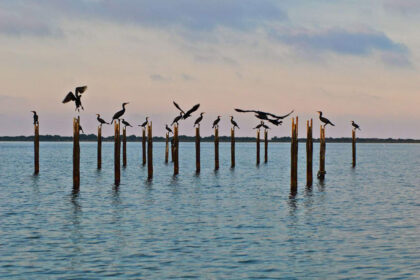
At high tide, the White Dune is completely surrounded by ocean, and flamingos are often spotted nearby. Getting there involves crossing moon-like desert landscapes by private 4×4. Once you arrive, the landscape opens up in every direction; dune, sea, desert, sky.
Visitors come here to climb the dune and photograph the lagoon from above, sandboard down the slopes, or simply stand at the water’s edge while pink flamingos drift past. The best time to visit is early morning before the afternoon winds pick up, or late afternoon when the light turns golden across the sand.
Most organized tours from Dakhla town combine the White Dune with other stops like Puerto Rico Beach and the hot springs, making it easy to cover several highlights in one day.
Relax at the Hot Springs
After days of kitesurfing, desert walking, and lagoon exploring, your body will thank you for this stop. The thermal “Asma” spring reaches 38°C and features hot sulfur water in the middle of the desert. These waters are drilled at a depth of more than 70 meters and are known for their benefits for the skin, bones, and respiratory health.
The springs sit near PK25, roughly ten kilometres from Dakhla’s town centre, and are a regular stop on day tours that also cover the White Dune and Dragon Island. There is something genuinely unexpected about soaking in warm, mineral-rich water while the desert stretches out around you and the Atlantic hum carries across the dunes.
You do not need to book the springs separately; most guided excursions include them as part of a full-day circuit. Bring a towel, wear a swimsuit, and plan to linger.
Try Fresh Seafood in Dakhla
Dakhla’s food scene is simple, but the quality is exceptional; especially when it comes to seafood straight from the Atlantic. The region produces nearly 400 tons of oysters each year, making it Morocco’s oyster farming hub. Head to Talha Mar for fresh oysters by the lagoon, where you can enjoy oysters, lobster, grilled fish, and squid tagines with your toes in the sand.
The cost is remarkably approachable; around 5 euros for a dozen oysters and 4 to 7 euros for a tagine. Few dining experiences in Morocco offer this kind of quality at this kind of price.
Beyond oysters, waterfront cafés in Dakhla serve grilled sea bass, prawns, calamari, and traditional Sahrawi dishes like camel parmentier for those who want to go further off the beaten track. Eating here is casual, sociable, and genuinely delicious. This is Morocco at its most relaxed and authentic.
Explore Dragon Island
Dragon Island — also known locally as Île Hernié — is one of those places that genuinely earns its dramatic name. The island pops up at low tide in Dakhla Lagoon, where desert meets turquoise shallows. Walk or boat over for starfish, flamingos, and big views; kitesurfers and photographers love it at golden hour.
From the water, the island’s silhouette resembles a sleeping dragon stretched across the lagoon. Up close, it is a place of tidal pools, volcanic rock formations, shell beaches, and sweeping views across the bay. Boat trips to the island offer birdwatching (flamingos are common), dolphin spotting, and dramatic lagoon panoramas; perfect for landscape photographers and anyone who wants to feel the boundless quiet of nature.
Many visitors reach Dragon Island by catamaran, which adds its own adventure to the journey. On board, you can learn to sail with the catamaran, enjoy hot and cold drinks, and with a bit of luck, spot dolphins approaching the boat on the way back.
If you prefer to go on foot, the island is accessible at low tide by walking across the sandbanks. Check tide times before you go.
Experience Desert Activities Around Dakhla
The desert surrounding Dakhla is not just a backdrop. It is an activity in itself. Once you step away from the lagoon, the landscape shifts into something wilder; rolling dunes, red cliffs, salt flats, and nomadic silence.
| Activity | Duration | Best For | When to Go |
|---|---|---|---|
| Quad Biking | Half-day | Thrill seekers, groups | Year-round, avoid midday summer heat |
| Camel Riding | 1-2 hours | Families, slow travel | Autumn to Spring |
| Desert Camping | Overnight | Star-gazers, adventurers | October to April |
| 4×4 Safari | Full day | All levels, photographers | Year-round |
| Sunset Tour | 2-3 hours | Couples, casual visitors | Year-round |
| Sandboarding | Half-day | Families, beginners | Year-round |
Quad biking tours take you across dunes, along the ocean cliff edge, and out to viewpoints that most visitors never reach. Thrilling quad tours through the breathtaking landscapes of Dakhla let you drive through the desert, explore the lagoons, and visit nomadic villages.
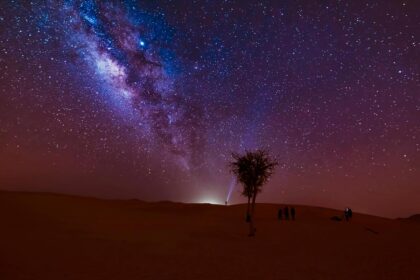
Camel rides offer a slower but equally rewarding perspective; the kind that lets you actually absorb how enormous and quiet this landscape is. Overnight desert camping is the natural step up from there. Guided 4×4 safaris traverse salt flats, red dunes, and remote oases, while overnight bivouacs provide star-filled skies, campfire stories, Sahrawi music, and simple but memorable meals served in the desert.
Sunset tours are some of the most popular options for those with limited time. As the light fades across the lagoon and the dunes shift from white to gold to amber, it becomes clear why so many travelers find it hard to leave.
Frequently Asked Questions About Dakhla
Is Dakhla worth visiting?
Absolutely. Dakhla offers a combination of experiences that is almost impossible to find anywhere else in Morocco or the wider region. The lagoon, the desert, the seafood, the wind sports, and the Sahrawi culture create a destination that works for adventure seekers, nature lovers, and anyone looking to get away from the usual tourist trail. It is quieter than Marrakech or Fes, but that is precisely part of its appeal.
How many days should you spend in Dakhla?
A minimum of three days gives you enough time to kitesurf, visit the White Dune, enjoy a seafood lunch at the oyster farms, and take a boat trip to Dragon Island. Five to seven days is better if you want to go deeper into the desert, try multiple activities, and actually slow down and absorb the pace of life here. Kitesurfers often stay two weeks or longer.
What is Dakhla famous for?
Dakhla is internationally famous as a world-class kitesurfing and wind sports destination. The peninsula is known for its ideal conditions — daily sunshine, steady winds on over 300 days per year, flat and shallow lagoon water, and ocean waves on the other side. Beyond wind sports, it is also known for its oyster farms, flamingo lagoon, White Dune, and the raw beauty of its desert-meets-ocean landscape.
Can beginners try kitesurfing in Dakhla?
Yes, and Dakhla is actually one of the best places in the world to learn. The lagoon offers a massive, spacious area with plenty of flatwater, making it perfect for beginners to practice without feeling cramped or intimidated. Dozens of kite schools and camps offer structured beginner courses with certified multilingual instructors, safety boats, and quality equipment. The January to March period is particularly well-suited for first-timers due to lighter winds and smaller crowds.
Dakhla sits at a crossing point between two worlds — the Sahara and the Atlantic — and that tension is what makes it so captivating. You can spend your mornings on the lagoon with a kite, your afternoons sampling oysters at the waterfront, and your evenings watching the sun dissolve behind the desert while flamingos drift across the water. Few places offer that kind of contrast in a single day.
It is a destination for people who want their travel to feel alive. Not curated, not overcrowded, not filtered through a thousand other tourists’ expectations. Just raw, open, and genuinely memorable.