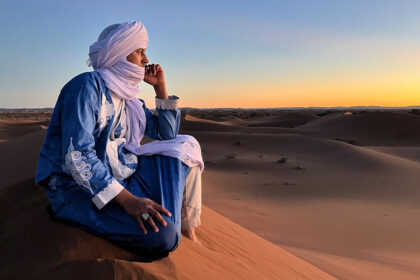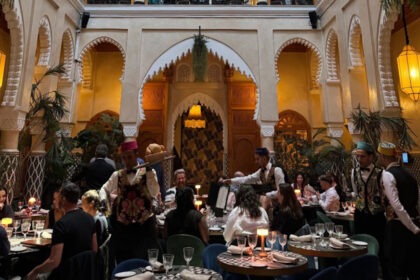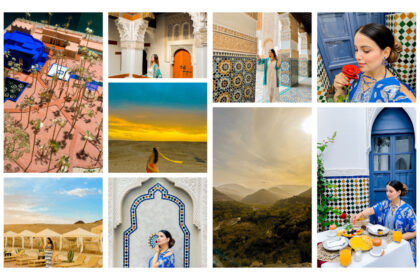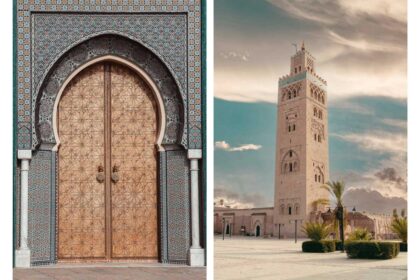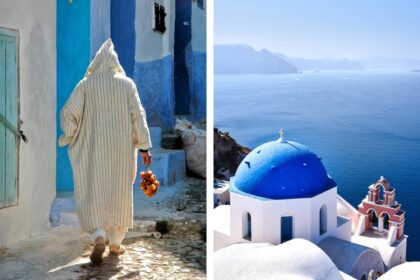




Morocco is well known for its souks, desert camps and blue-washed streets. But underneath the postcard image is a much deeper cultural world, shaped by centuries of Arab, Amazigh, Andalusian, African and Mediterranean influence.
- Taste Morocco: Take a Cooking Class and Discover the History Behind the Dish
- Tbourida: Watch Morocco’s Traditional Equestrian Spectacle
- Sound: Discover the Beauty of Andalusian Music
- Sight: Explore a Museum Dedicated to Moroccan History
- Smell: Create Your Own Moroccan Perfume
- Touch: Experience a Traditional Moroccan Hammam
- Get Invited to a Moroccan Wedding
- Conclusion
The best cultural experiences in Morocco are much more than just taking photographs. It is the meal you share, the traditional music that has been passed down for generations and discovering Moroccan history and what shapes the identity of millions of moroccans.
One good way to plan a trip that goes beneath the surface: think in terms of the five senses taste, sound, sight, smell, touch. Here’s what that looks like in practice.
Taste Morocco: Take a Cooking Class and Discover the History Behind the Dish
Moroccan food is history you can taste.
A Moroccan cooking class is an hands on opportunity to discover how Morocco’s geography, trade routes, religions and cultural influences shaped its cuisine.

Don’t just cook the dish — learn its story
A good Moroccan cooking class won’t just teach you how to layer a tagine. It’ll explain why slow cooking became central to Moroccan food in the first place, and how centuries of trade brought spices like cumin, saffron, cinnamon and ginger into daily use, alongside staples like preserved lemon, argan oil and fresh herbs.
Couscous especially carries weight here as it’s less a dish than a symbol of family and communal life.
The experience
The best classes tend to follow a simple flow: you start at the market, pick out the fresh ingredients yourself, hear the history behind them. So instead of simply following a recipe, you’ll understand where the ingredients come from, why they’re used and what the dish means culturally.
Tbourida: Watch Morocco’s Traditional Equestrian Spectacle
For an unforgettable cultural experience, look beyond the cities and discover Tbourida, one of Morocco’s most distinctive equestrian traditions.

Atradition rooted in Morocco’s rural and tribal past. Groups of horsemen in traditional dress ride in tight formation, building toward a synchronized charge that ends with the firing of traditional rifles.Providing a mix of horsemanship, choreography and ceremony that doesn’t feel like a staged tourist show, because it isn’t one, it is connected to Morocco’s equestrian heritage and has been passed down through generations.
What makes Tbourida special?
A few things make it distinctive: the Barb and Arab-Barb horses bred specifically for this ; the riders’ flowing robes and turbans; and the atmosphere itself, all music and dust and crowd noise.
Tbourida is particularly associated with moussems, festivals and cultural events, especially outside Morocco’s major tourist centers.
Travel tip: Check the local event calendar before your trip because performances are tied to specific festivals, not a fixed schedule.
Sound: Discover the Beauty of Andalusian Music
Morocco’s musical heritage is incredibly diverse Amazigh traditions, Gnawa rhythms, and Arab-Andalusian music, to name a few. For something quieter and more atmospheric, seek out a traditional Andalusian recital, often referred to as Tarab Al-Andalusi or Moroccan Andalusian music.

What is Andalusian music?
This musical style traces back to the Muslims and Jews who left Al-Andalus after the fall of Muslim rule in parts of Iberia, and over centuries Morocco shaped it into something distinctly its own. A recital typically features instruments like the oud, rabab, violin and darbuka.
A live recital allows you to experience the rhythm, poetry and musical traditions that have been preserved across generations.
Perfect for: Travelers interested in music, history, architecture and slower, more atmospheric cultural experiences.
Sight: Explore a Museum Dedicated to Moroccan History
Morocco’s history runs deep from Amazigh heritage, ancient civilizations to Islamic dynasties, Andalusian influence, and everything that’s shaped modern Moroccan identity.

A museum visit is one the most culturally rich experiences you can do in Morocco.Therefor it is important to pick one that actually helps you connect the dots on the heritage that makes Morocco distinct. That is evident in the following collections of traditional clothing, ceramics, jewelry, manuscripts, Islamic art, Amazigh artifacts, carpets and woodwork.
One trick that helps: walk in with a question instead of an itinerary. Something like “how did Morocco’s different cultures shape one another?” turns a room of objects into a story and suddenly you start noticing the same patterns showing up in the architecture you encounter in the medina, the patterns on Moroccan carpets, the jewelry worn in different regions and the craftsmanship found in Moroccan homes.
Smell: Create Your Own Moroccan Perfume
The sents of Morocco are the most memorable part of its culture.
Walk through any souk and the smell hits you before anything else spices, rose, orange blossom, wood, incense.
So why not turn that sensory experience into a workshop?
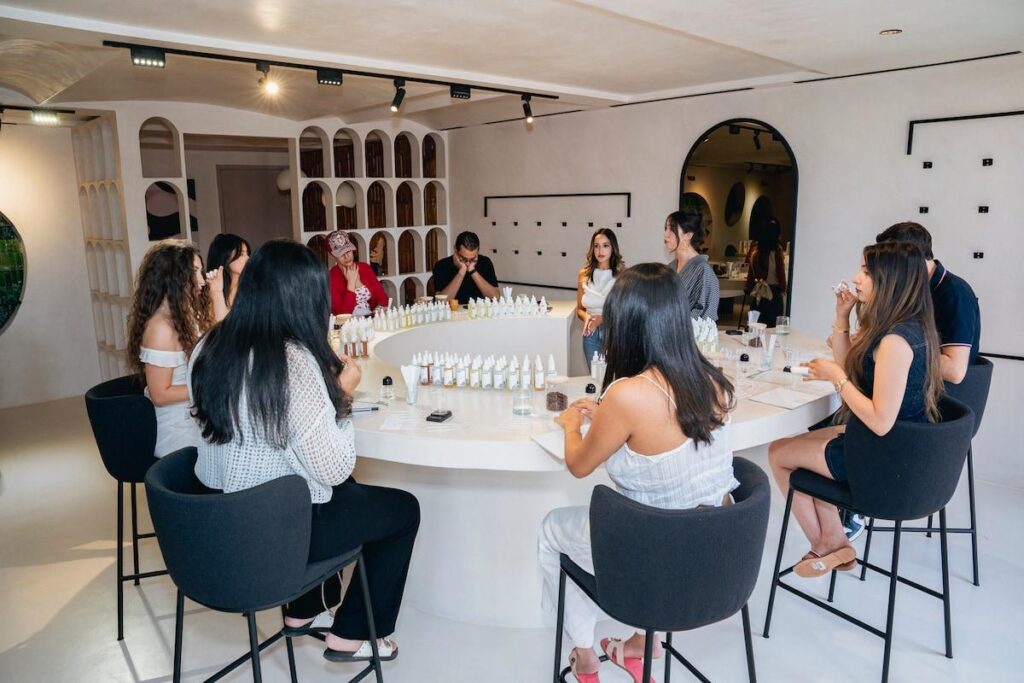
Create a perfume inspired by Morocco
A traditional perfumery workshop can introduce you to ingredients such as:
Rose — particularly associated with Morocco’s famous Rose Valley
Orange blossom — widely used in Moroccan cuisine, beauty and rituals
Oud — a deep, woody fragrance used in perfumery
Saffron — one of Morocco’s prized aromatic ingredients
Musk and herbs — used in various traditional fragrance blends
The most interesting part isn’t the scent itself, but how each one is actually used in daily Moroccan life and ritual.
Instead of buying another bottle of perfume from a shop, you can create your own Moroccan-inspired scent and take home something connected to the experience.
Touch: Experience a Traditional Moroccan Hammam
No sensory journey through Morocco would be complete without experiencing a hammam.
The Moroccan hammam has traditionally been much more than a place to wash. It has also been a social and cultural space where people gather, relax and follow traditional bathing rituals.

A hammam experience in Marrakech
For travelers staying in Marrakech, you can look forBudget-friendly Hammams In Marrakech
The experience can include traditional elements such as:
- Warm steam
- Moroccan black soap, known as beldi soap
- Traditional exfoliation with a kessa glove
- Rhassoul clay
- Argan oil
- Relaxation rituals
The exact experience varies considerably between traditional neighborhood hammams, private hammams and luxury spas.
What makes the hamam so unique isn’t the scrub itself but the different perspective it offers on Moroccan daily life one that you won’t get from simply visiting monuments.
Important: Traditional hammams can have separate facilities or schedules for men and women, so check the arrangements before visiting.
Get Invited to a Moroccan Wedding
If you want one experience that captures Moroccan culture in full color, it’s a traditional wedding.
Moroccan weddings are infamous for their extravagance. Depending on the family and the region, a Moroccan wedding can stretch across several days, with guests dressed in caftans and takchitas, and the bride changing outfits multiple times throughout the night, each one representing a different region or tradition within the country.
And then, of course, there’s the food pastilla, couscous, tagine, trays of pastries, endless glasses of mint tea. A wedding is basically a tasting menu of Morocco’s culinary history.
But how can travelers attend a Moroccan wedding?
Getting invited isn’t something you can book on a whim. It usually happens through a local connection, or through a cultural experience built specifically around this kind of hospitality.
Conclusion
The best cultural experiences in Morocco go beyond sightseeing. They invite you to discover the country’s heritage through its food, music, traditions, craftsmanship and hospitality.
Whether you’re learning the history behind a traditional dish, listening to Andalusian melodies, watching Tbourida or creating a perfume inspired by Moroccan scents,each one gives you a slightly different way into the same thing: a country best understood through its people, not just its landmarks.