



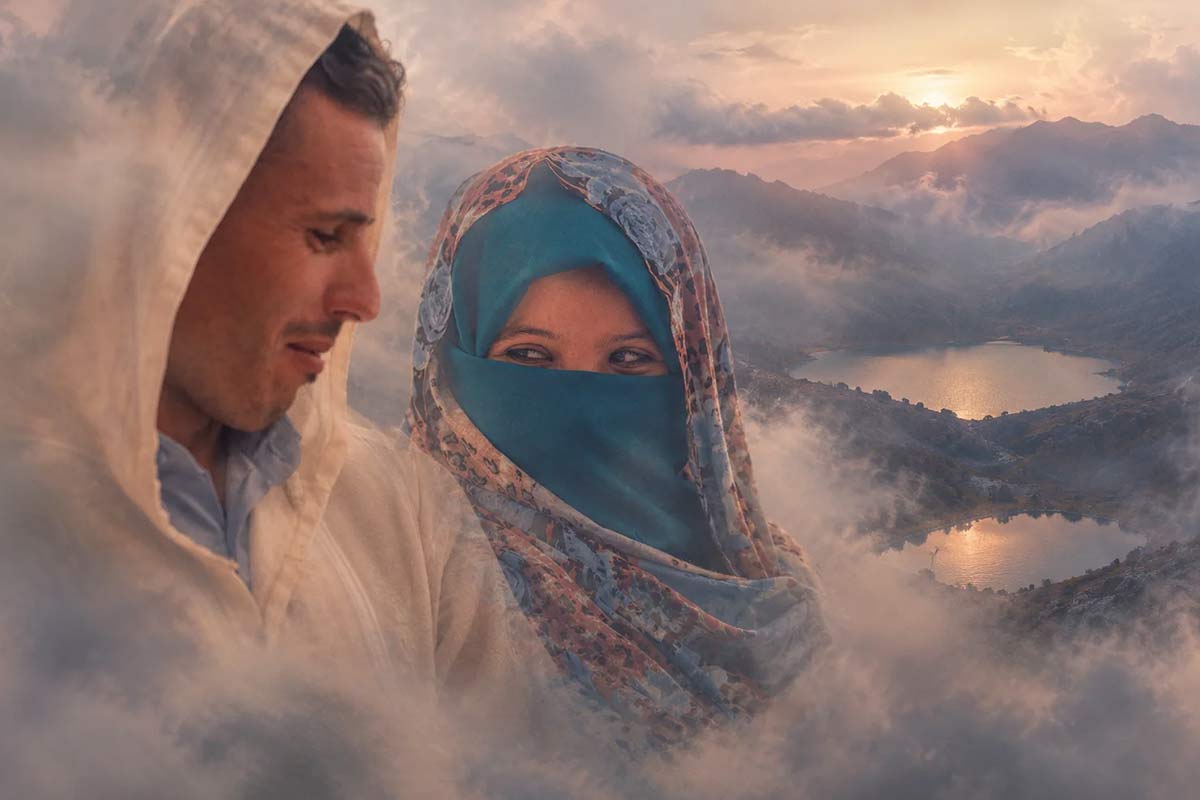
It’s not a simple lake by the way!
Isli and Tislit, perched in the heights of Morocco’s Atlas Mountains, a pair of still lakes carries a tale that predates written memory: a legend of love denied, of lovers torn apart, of grief that became water.
Isli and Tislit, names meaning “groom” and “bride” in Amazigh, are much more than scenic mountain sights. Across generations, the Ait Hdidou communities of Imilchil have kept the story alive, passing it on through endless retelling.
Romeo and Juliet or Isli and Tislit?
Local tradition holds that Isli and Tislit were young lovers from neighboring tribes locked in rivalry. Their elders forbade the union, and the old feud left the pair with no road to a shared future. Even if it is only a myth, their sacrifice has outlived them and become a symbol of devotion.
Heartbroken, they retreated to opposite ends of the valley, each crying alone over a love the community would not permit. According to the legend, their tears flowed without end until they pooled into two lakes: Isli, keeping the memory of the young man, and Tislit, keeping that of the young woman. Their waters still lie across the highland terrain, a private sorrow set permanently into the land around Imilchil.
The tale has wandered through many languages and names. One version calls the lovers Muha and Hada, while another maintains they were Isli and Tislit all along. Details drift from one telling to the next, but the core stays untouched, much like the love it describes.
What tribal divisions once forbade is now etched into Amazigh memory, because the mountains don’t forget.
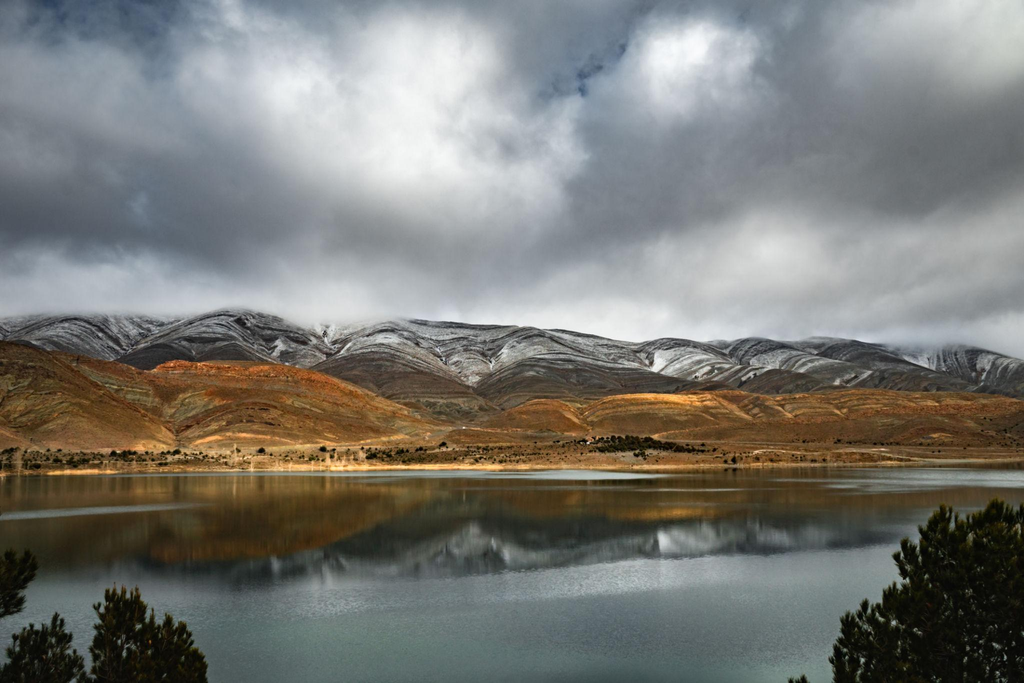
Isli and Tislit: A legend Beneath The Mountains
The lakes themselves are real, even if their tender origin story belongs to oral tradition. Geological studies portray Isli and Tislit as high-altitude lakes and point to tectonic forces as part of their scientific explanation.
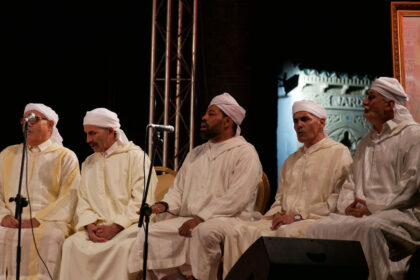
Today, the legend is tied to the Moussem des Fiançailles (Betrothal Festival) of Imilchil, a yearly gathering linked to the Ait Hdidou tribes. The festival developed around customs of communal engagements and marriages, and the lovers’ tale supplies its emotional core.
So Imilchil holds two narratives at once: one inscribed in stone, water, and deep geological time, the other kept alive in language, memory, and the retelling of a love that could not cross the lines drawn against it.
Every year, travelers come for more than the views. They come hoping to hear the old story once more, in a place where land and memory meet under the vast Atlas sky.
Isli and Tislit Trencending The Legend
Beyond the legend, the lakes offer a glimpse into the cultural richness of Morocco’s High Atlas Mountains. Their surroundings reflect a way of life shaped by altitude, seasonal changes, and the traditions of Amazigh communities. Here, the landscape is not simply a backdrop to human history, it forms part of how that history is understood and passed down.
The legend also invites reflection on how traditions evolve. Although the story of Isli and Tislit is often presented as a tragedy and as a story of impossible love, its continued retelling allows new generations to interpret it through their own experiences. Some may see a warning about the consequences of social division, while others find a celebration of love that survives through memory. In either case, the lakes remain more than scenic destinations. They stand as enduring symbols of the connection between Amazigh heritage, the natural world, and the stories people choose to preserve.
Have you ever heard of this legend before?