



When people think of Morocco, they often, more than not, think of its busy souks, beautiful Zellige designs, and its unique silver jewelry. But beneath it all lie hidden, often colorful, treasures that come in the form of precious gemstones from the depths of its bountiful earth.
From the deep purple amethyst to the red crystals of Mibladen, Morocco´s gems reflect the country´s extraordinary geological diversity and the Amazigh and Arab´s incredible craftsmanship.
So, what are some of the gemstones of Morocco? And what makes them so special?
Moroccan Amethyst: The Purple Stone of the Anti-Atlas
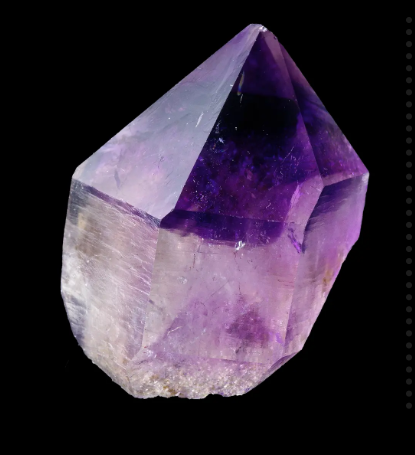
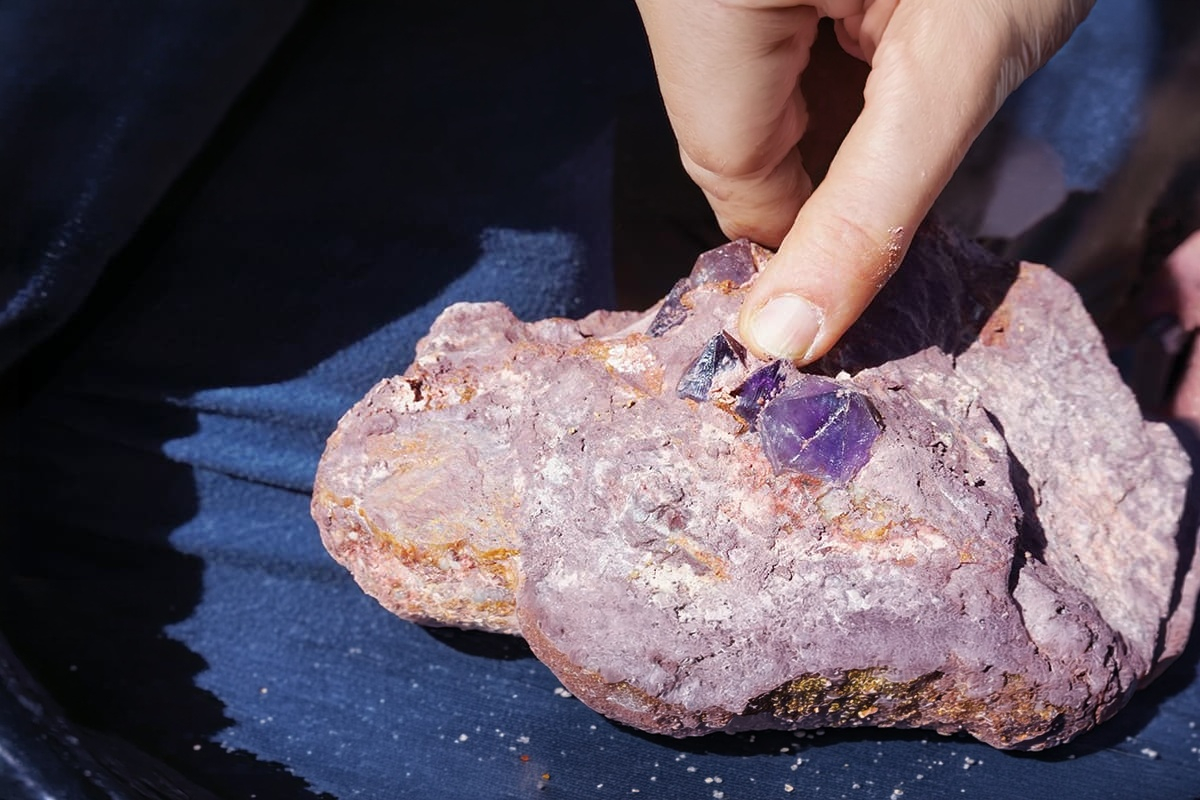
One of Morocco’s most distinctive gemstones is amethyst, the purple variety of quartz. Some of the most notable Moroccan amethyst comes from Boudi in the Tata Province, in the Anti-Atlas of southern Morocco.
Unlike amethyst from other countries such as Uruguay or Brazil, the color patterns and forms differ depending on the geological origins of the stone. In Morocco, amethyst is especially distinctive for its deep purple and reddish-purple tones, unusual hourglass-shaped color zoning, and occasional red hematite inclusions.
Beyond its geological value, amethyst fits naturally into Morocco’s long relationship with handcrafted jewelry and decorative stones. Today, Moroccan amethyst can be found as crystals, polished stones, and faceted gems.
Agate: Colorful Patterns from the Atlas Mountains
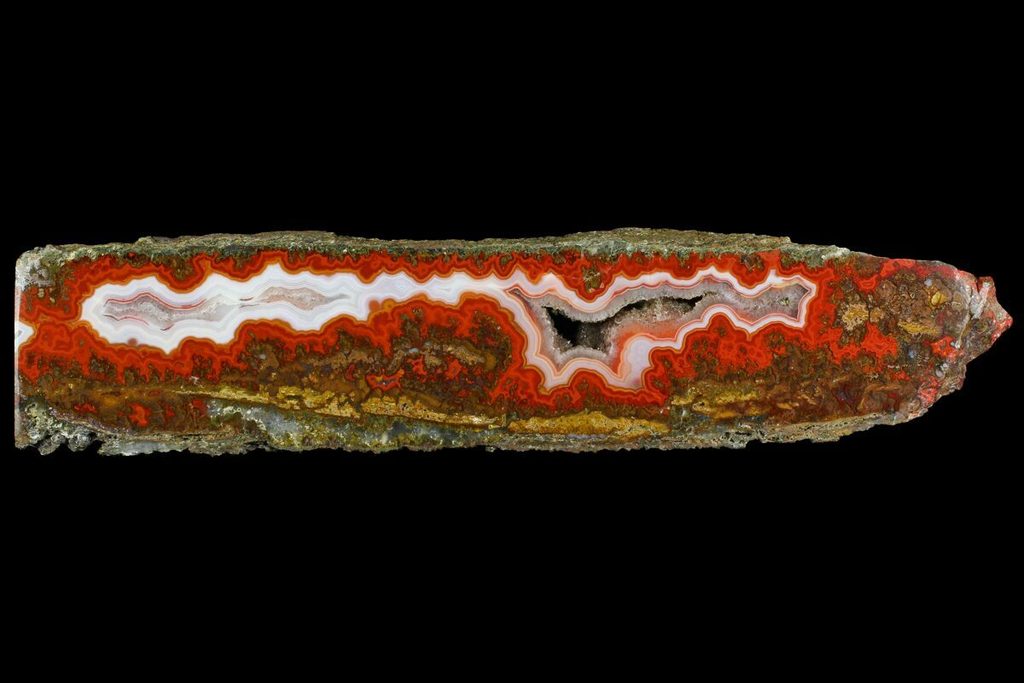
Agate is one of those stones that hypnotizes you at first glance.
Looking like a miniature landscape, agate deposits occur in areas including Tizi-n-Tichka, Sidi Rahal, and Asni in the Atlas Mountains. This stone is characterized by its opulent layers of red, pink, blue-grey, white, and brown, which can create patterns when the stone is cut and polished thoroughly.
Their natural geological formation process is just as fascinating as the stone itself. Sidi Rahal agates have been found within ancient volcanic rocks, research showed, where silica-rich fluids filled cavities and gradually formed beautiful and unique layers of quartz and related minerals.
This is the reason why each piece has a distinct appearance from one another, as some agates have patterns of landscapes, waves, and even clouds.
This stone is perfect for individuals who love to collect unique stones, as each piece will have a one-of-a-kind pattern that reflects Morocco´s geological history.
Vanadinite: Morocco’s Famous Red Mineral
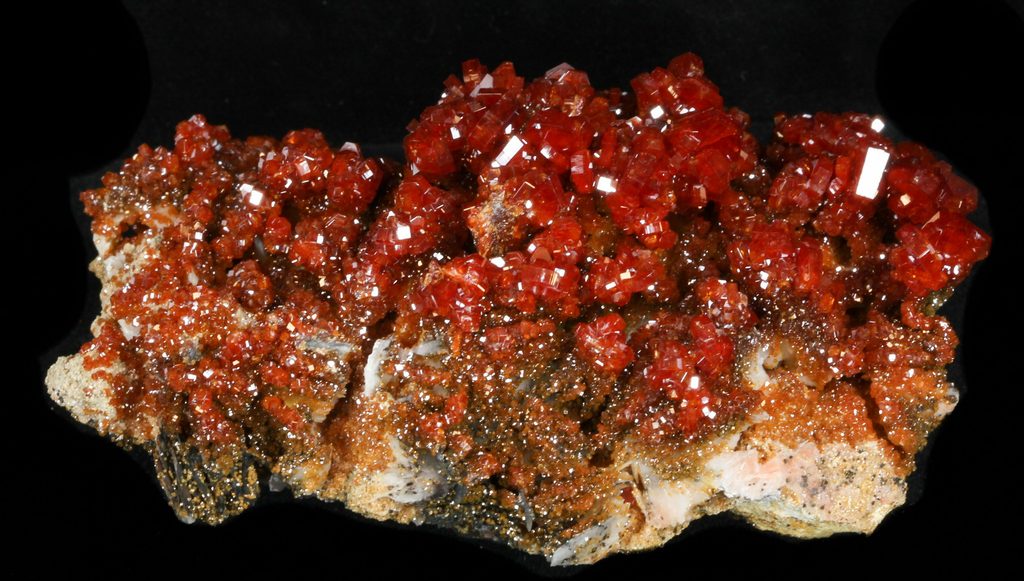
From one reddish stone to another, Vanadinite is technically not a stone but rather a mineral, but it deserves to make this list as one of Morocco´s most famous stones.
The mineral is particularly associated with Mibladen near Midelt, in the region of the Middle Atlas. Moroccan vanadinite is internationally recognized for its brilliant red to orange color and striking hexagonal crystals.
Unlike the other gemstones, though, vanadinite is rarely used for actual everyday jewelry because of its very soft and brittle nature; it is generally more valued as a precious collector´s item or mineral specimen. If used for jewelry, you risk damaging the crystals, as they can chip or fracture very easily because of their low hardness, which is 3 to 4 according to the Mohs Hardness scale.
This mineral shows that Morocco is not only a place for gorgeous gemstones, but also an important location and source of unusual and visually spectacular mineral specimens.
Azurite and Malachite: The Blue and Green Treasures
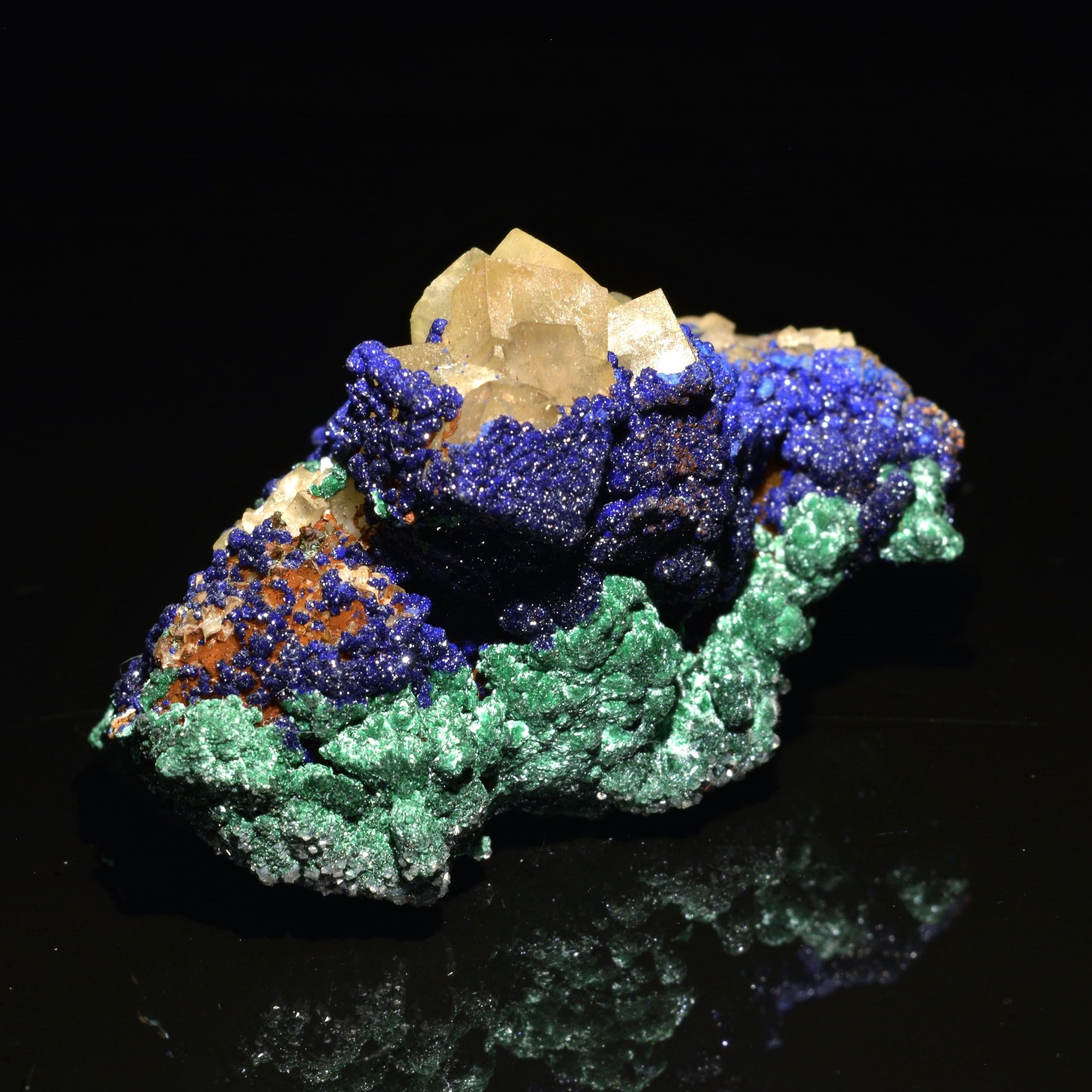
Morocco is also associated with copper minerals such as azurite and malachite.
Azurite is recognized for its intense blue color, while malachite is famous for its rich green shades and characteristic banded patterns. These minerals can occur together, creating dramatic combinations of blue and green.
Similar to Vanadinite, they are particularly interesting for collectors and decorative stone enthusiasts because of their vivid natural colors, but not as jewelry because of their natural composition that makes them extremely delicate and not suitable for regular use.
Although these minerals are not among the principal gemstones used in everyday Moroccan jewelry, they contribute to Morocco’s reputation as a country with an extraordinary variety of mineral specimens.
Garnet and Other Gemstones
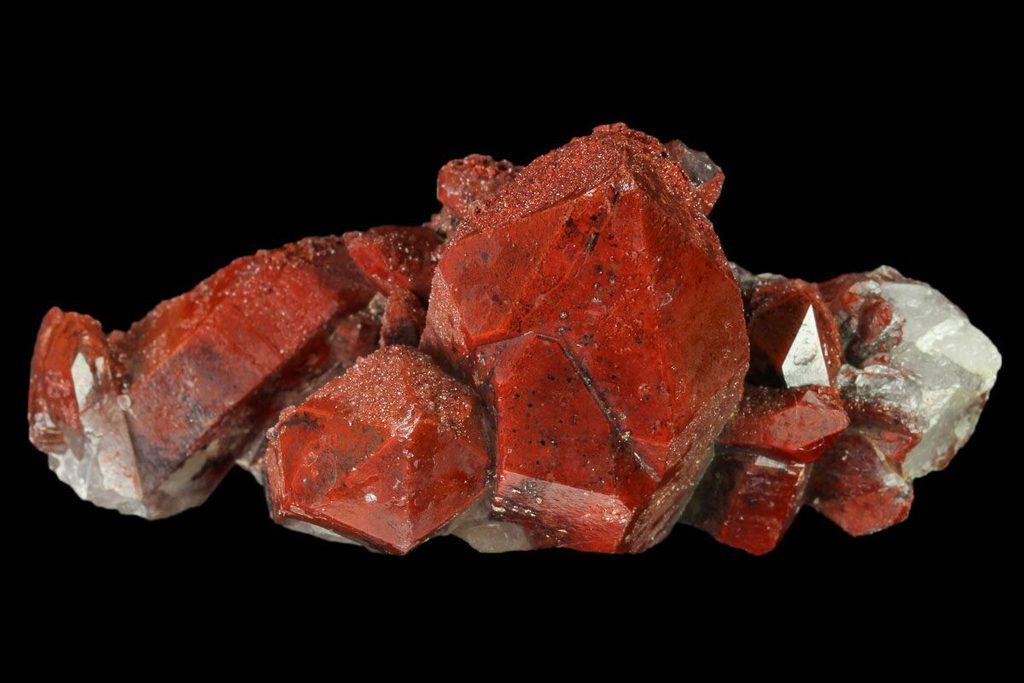
Morocco also produces smaller quantities of other gem materials, including garnet, quartz varieties, and other minerals.
These stones are less internationally synonymous with Morocco than amethyst, agate, or vanadinite. However, they demonstrate the enormous variety created by the country’s complex geological history.
Moroccan Gemstones and the Tradition of Jewelry
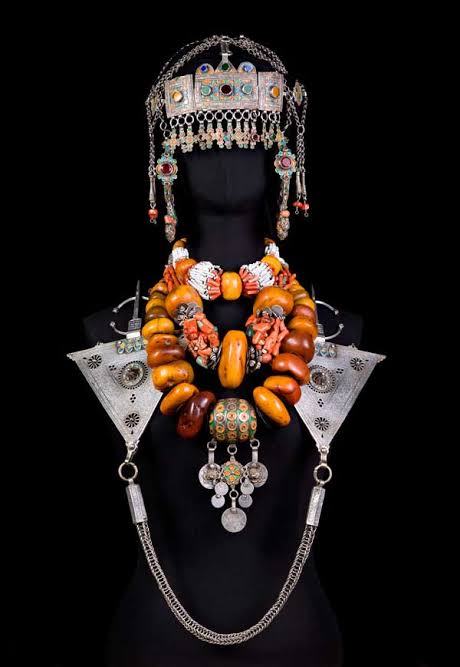
The story of Moroccan gemstones cannot be separated from the country´s jewelry traditions. Jewelry in Morocco has historically served as more than just decoration; it signified regional identity, social status, and family heritage.
This is particularly visible in Amazigh jewelry, where pure silver pieces, fibulas, necklaces, bracelets, rings, and other ornaments form part of a rich visual tradition. In different regions of Morocco, jewelry styles developed their own forms and symbolism. Stones, colored glass, coral, enamel, silver, and other materials could be incorporated into elaborate pieces.
The National Jewelry Museum in Rabat reflects this diversity, preserving and presenting Moroccan jewelry traditions from different communities and regions. This makes Moroccan jewelry an important bridge between the country’s natural resources and its cultural heritage.
So, next time you are treasure hunting in Morocco, remember this: some of the most beautiful treasures are not found in its famous palaces or souks, but are hidden beneath its mountains.