



In Morocco, some superstitions are so deeply woven into everyday life that you can hear them without even thinking about where they came from.
- The Black Cat: A Warning of Bad Luck
- Never Pour Hot Water Down the Drain
- Don’t Open an Umbrella Inside the House
- Don’t Point Scissors at Someone
- Don’t Sweep at Night
- Don’t Sit on the Doorstep
- Don’t Leave Shoes Upside Down
- Don’t Sleep With Your Head Toward Certain Directions
- Don’t Leave Mirrors Facing the Bed
- Don’t Tell Everyone About Your Good News
- Don’t Throw Salt Carelessly
- Why Do These Superstitions Survive?
A grandmother warning you not to pour hot water down the drain. Someone telling you to put your scissors away before sunset. A mother stopping you from opening an umbrella inside the house. These little warnings can feel almost automatic, passed down from one generation to the next with little explanation.
Some are connected to the evil eye, jinn, luck, or protection, while others have become simple habits that remain part of Moroccan folklore.
Here are some Moroccan superstitions you may have heard before.
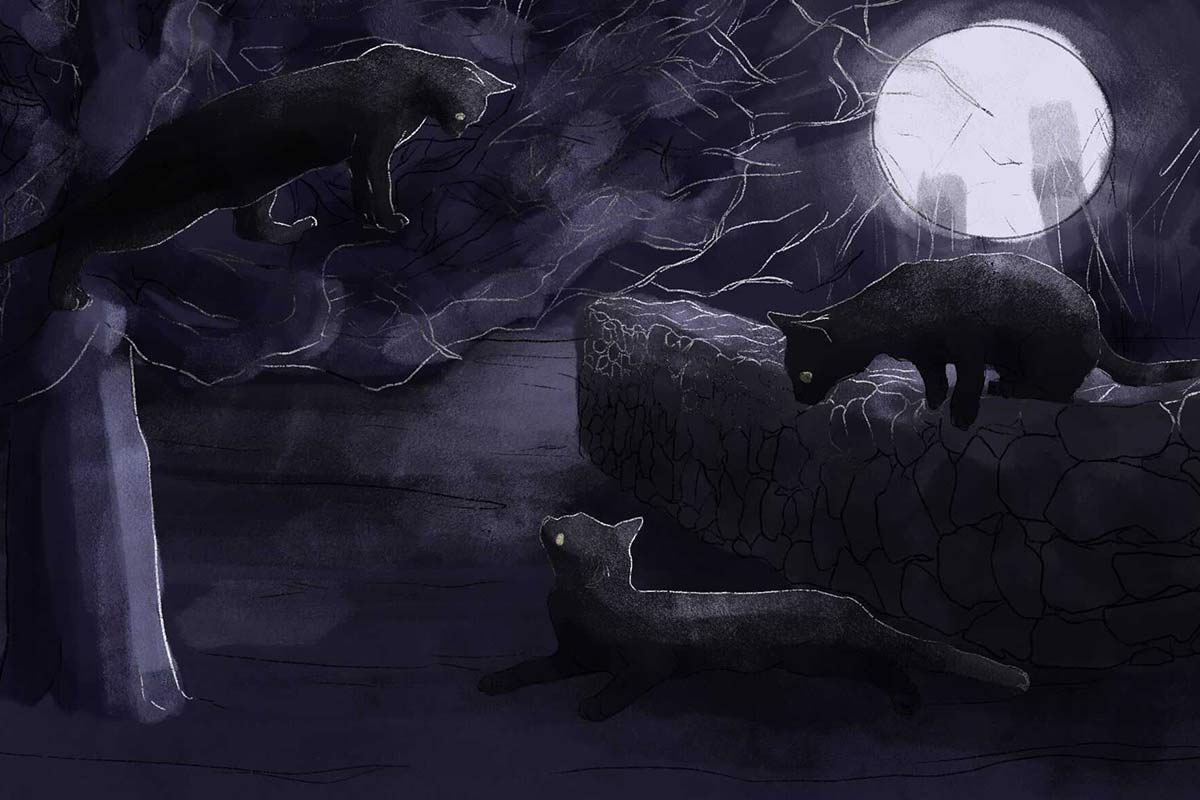
The Black Cat: A Warning of Bad Luck
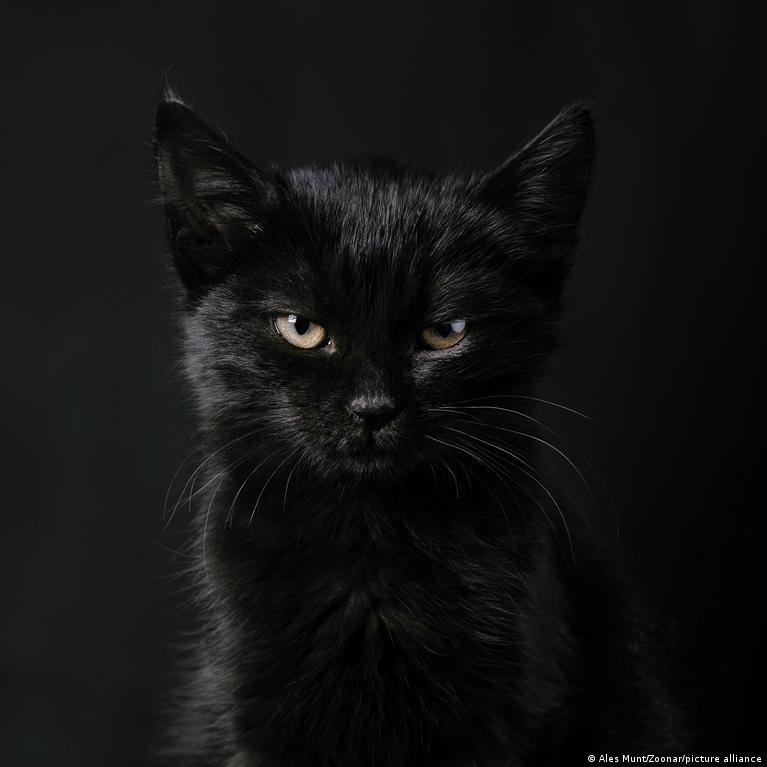
Like in many cultures, the black cat has long been associated with bad luck in Moroccan popular belief.
If a black cat crosses your path, some people may take it as a sign that something unfortunate could happen. Others are less literal, treating it as an old superstition rather than something they genuinely believe.
The idea fits into a wider tradition of associating certain animals and unexpected encounters with signs of what might be coming. I think it is less about the cat, and more about the color black itself. For years, the color black has been associated with curses, witchcraft, Satanism, etc., and let’s not forget that crows also have a bad reputation as well.
Of course, the cat itself has done absolutely nothing wrong; poor creature has been associated with these baseless superstitions when all it wants are cuddles and love.
Never Pour Hot Water Down the Drain
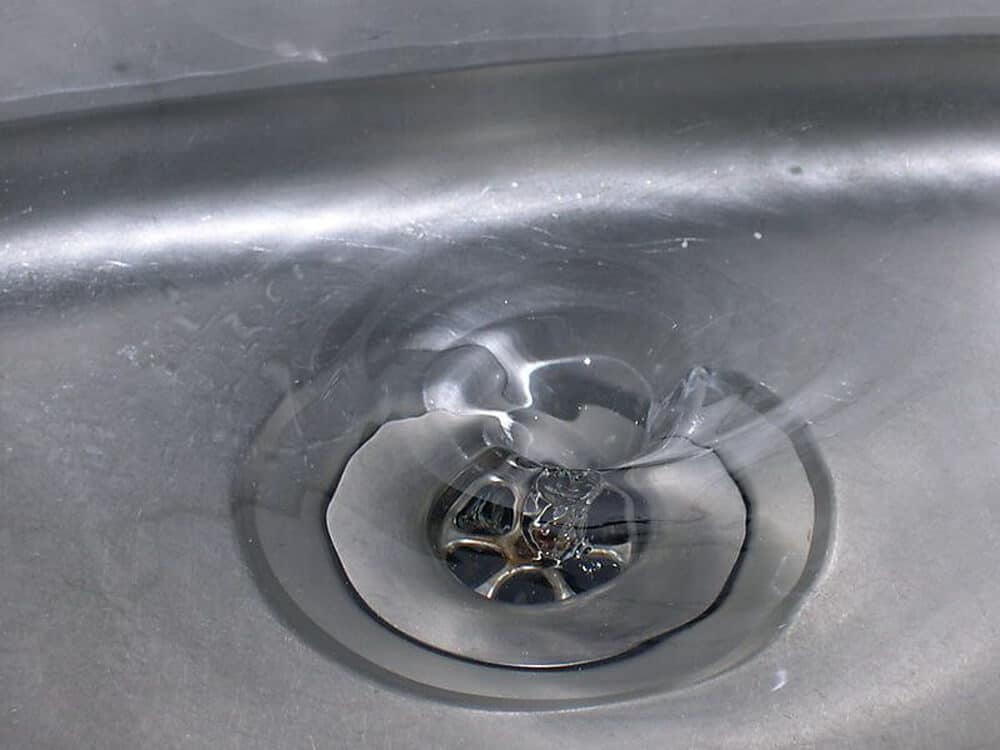
This is one of the Moroccan warnings that seems to come with a very serious tone: Don’t pour boiling or extremely hot water down the drain.
The traditional explanation is that you might hurt or anger a jinn living in or around the drains.
Jinn occupy an important place in Moroccan popular beliefs, and certain places, including bathrooms, abandoned spaces, crossroads, and dark or isolated areas, have traditionally been treated with caution because they are sometimes associated with them.
Whether someone genuinely believes this or simply repeats what their mother told them, the warning has survived. I know this firsthand; growing up hearing this, whether it’s true or not, I still cannot bring myself to do it, which goes to show that these superstitions stick to us like glue even in adulthood in ways we can’t even explain.
Don’t Open an Umbrella Inside the House
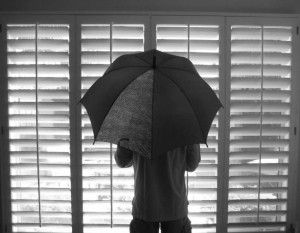
Opening an umbrella indoors is another familiar superstition.
The belief is that doing so can invite bad luck or misfortune into the home.
There is no religious requirement behind this, and the belief is better understood as part of Moroccan popular folklore. Similar umbrella superstitions exist in other cultures, but in Moroccan households it can still earn you an immediate:
“Seddih! Why are you opening that inside?”
Don’t Point Scissors at Someone
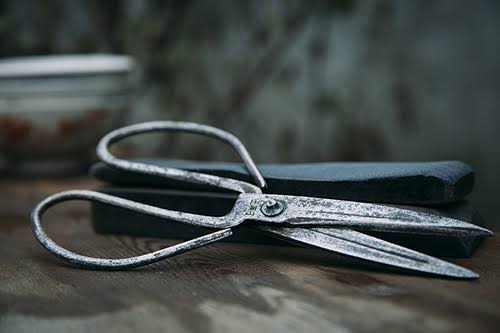
Scissors are another object surrounded by superstition.
Leaving scissors open, pointing them toward someone, or playing with them unnecessarily may be considered a bad sign.
In some Moroccan families, scissors are associated with conflict, separation, or cutting relationships, which makes the symbolism particularly fitting. After all, scissors literally cut things apart.
Some people, like my mother, therefore prefer to keep them closed and put away when they are not being used. Again, these superstitions have no factual basis; they are habits that have been adopted globally, and we can’t seem to get rid of them for some reason.
Don’t Sweep at Night
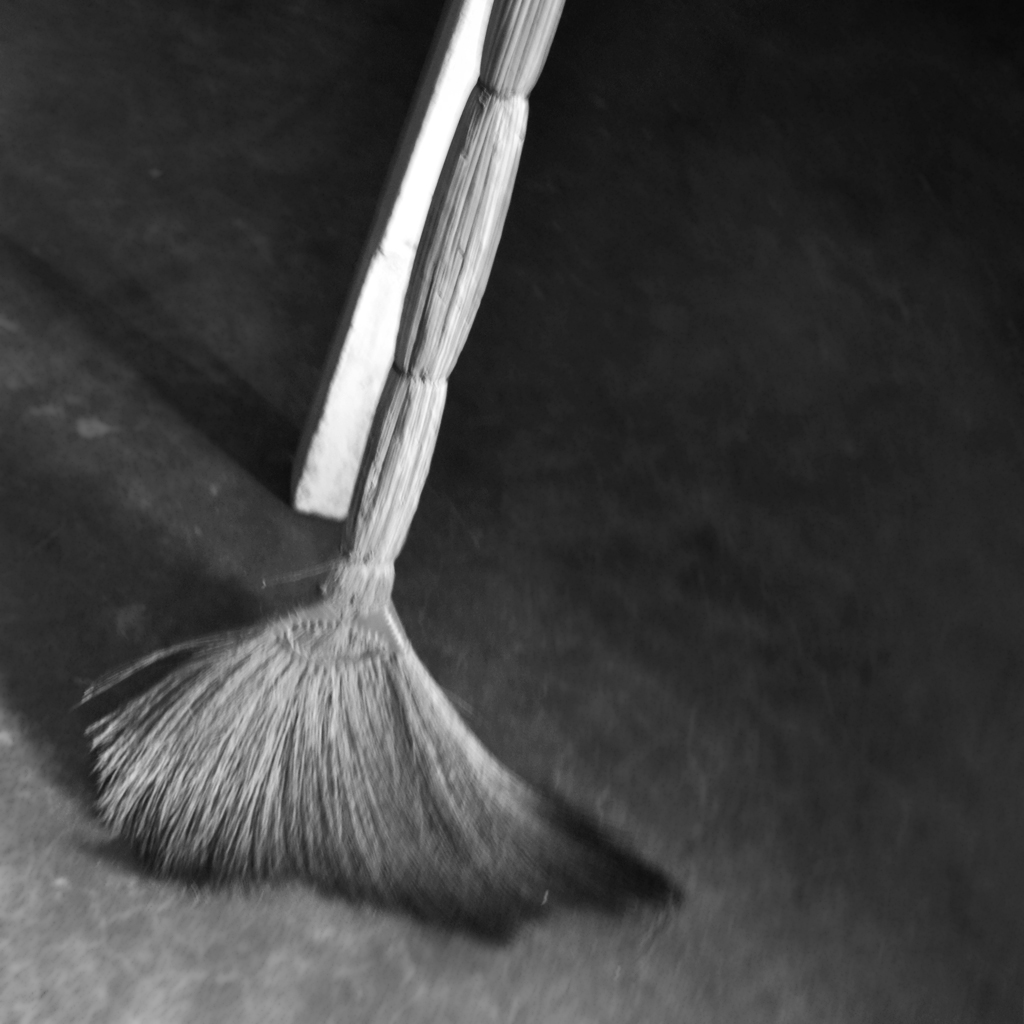
You may also hear that sweeping the house at night can bring bad luck or cause something valuable to leave the home.
In some versions of the belief, sweeping after sunset or maghrib prayer could symbolically “sweep away” money, blessings, or good fortune.
There is also a practical explanation that may have helped such beliefs survive: before modern lighting, sweeping at night made it easier to accidentally throw away or lose small valuables.
Over time, a practical warning can become a superstition carried out for generations to come.
Don’t Sit on the Doorstep
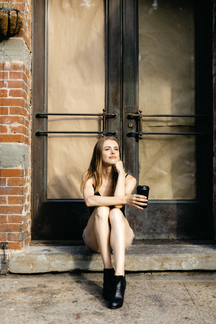
Sitting directly on the doorstep or threshold can also be discouraged in Moroccan households.
The threshold has traditionally been viewed as a symbolic boundary between the home and the outside world. Because of this, it can carry a certain sense of significance and caution.
In some families, children are told not to sit there because it could bring bad luck or somehow interfere with their future. In other families, it is also believed to be part of the places that jinn exist in, so you´ll be kind of in their territory and, at that point, it’s fair game whatever happens to you.
And sometimes the explanation is hilariously much simpler:
“Move. You’re blocking the door.”
Don’t Leave Shoes Upside Down
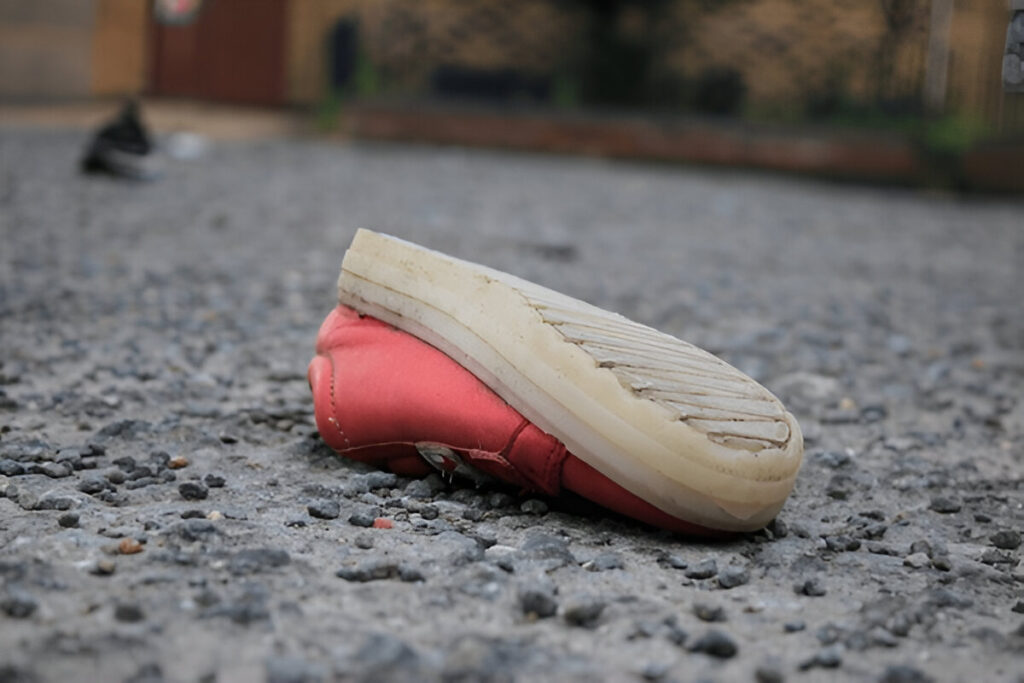
An upside-down shoe is something many Moroccans instinctively turn over; I mean it won´t stay a second like that before someone points it out to you.
The belief is that showing the sole of the shoe upward is disrespectful and can attract bad luck or misfortune.
The shoe also has an association with impurity in many Muslim cultures, since its sole touches the ground. Turning it upright therefore becomes both a matter of etiquette and, in popular belief, something that keeps bad fortune away.
This is one of those superstitions that I can’t quite understand: how can a shoe being upside down bring bad luck? A question I have yet to find answers to, unfortunately.
Don’t Sleep With Your Head Toward Certain Directions
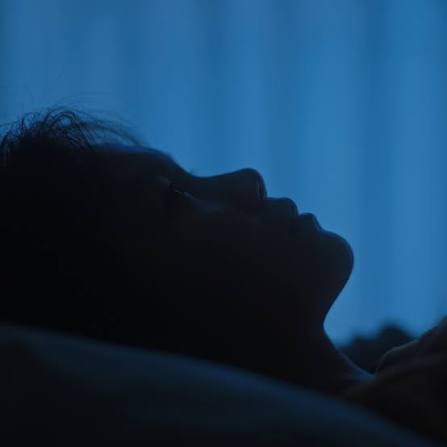
You may also hear warnings about how your body is positioned while sleeping, particularly among older generations in Morocco.
Some families attach symbolic meanings to certain sleeping directions or positions, while others connect them to religious or cultural ideas about respect and cleanliness.
These beliefs aren’t universal across Morocco, but they show how even ordinary activities like sleeping can become surrounded by inherited rules.
For example, you don’t sleep with your head towards the door of your room, or you don´t sleep under an open window. Both positions can be explained by jinn and spirits entering through those portals, and you will be in their line of sight, leading to potential harm.
Don’t Leave Mirrors Facing the Bed
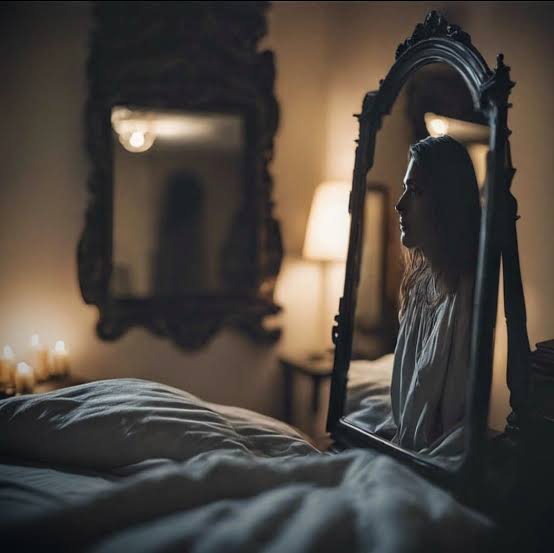
Mirrors have their own strange place in Moroccan folklore.
Some people avoid having a mirror directly facing the bed, associating it with bad dreams, negative energy, or unwanted spiritual influences.
This is not a universal Moroccan belief, and it varies considerably between families. But like many household superstitions, it can persist simply because someone learned it from a parent or grandparent.
Mirrors are spiritually known to be portals to the other side, and homes of many jinn. Similar to sleeping towards doors and windows, a mirror acts the same, and some believe it to be worse than doors and windows.
So before you sleep, if you have a mirror in front of your bed, cover it or change its positioning. This is actually one of the few superstitions I believe in, because it makes the most sense to me personally.
Don’t Tell Everyone About Your Good News
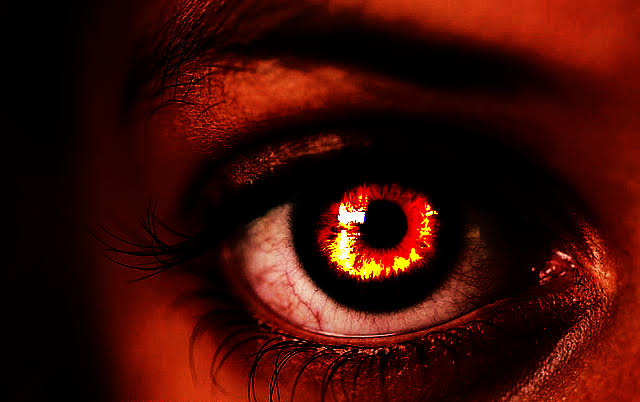
Another popular piece of advice is to keep certain blessings private.
A new job, engagement, pregnancy, financial success, or exciting opportunity may be kept quiet until everything is certain.
Again, this is often connected to fear of the evil eye or envy. Many good things fall apart before they even happen because there are so many eyes watching.
Moroccans believe that although not every gaze is evil, every gaze holds a certain weight, so be prepared for that weight next time you reveal your good news.
Whether someone believes in the supernatural explanation or simply prefers privacy, the underlying idea is similar: not every blessing needs an audience, because simply not everyone will be happy for you.
Don’t Throw Salt Carelessly
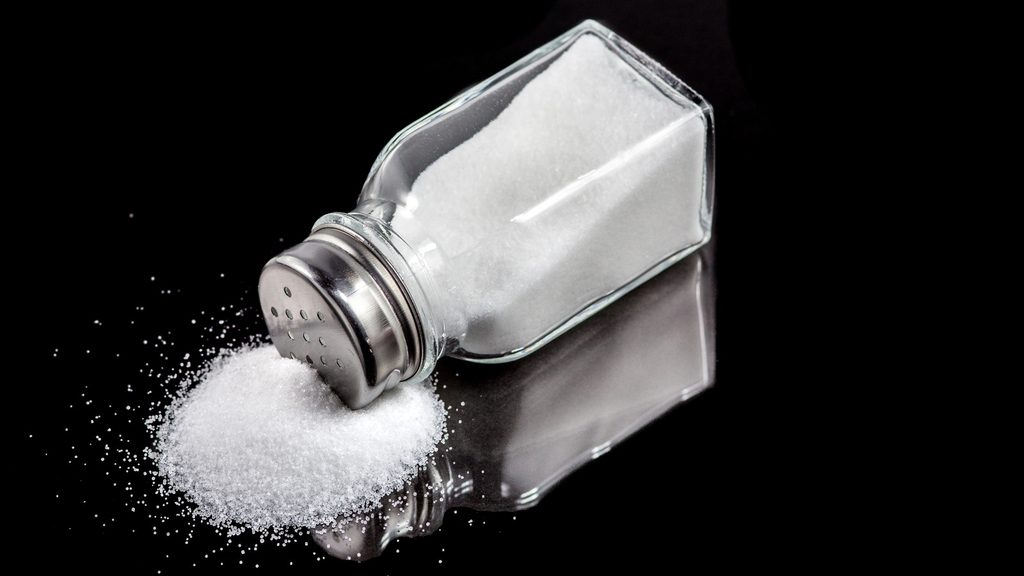
Salt has traditionally carried symbolic importance in many cultures, including Morocco.
Spilling or throwing salt may sometimes be interpreted as a sign of arguments, bad luck, or conflict. In some households, salt is also treated with a certain respect because of its association with preservation and protection.
The exact belief differs depending on the region and family.
Why Do These Superstitions Survive?
The fascinating thing about Moroccan superstition is that you don’t always have to fully believe in it to participate in it.
A mother tells her daughter not to pour hot water down the drain. A grandmother tells her grandson not to open the umbrella indoors. Someone automatically turns an upside-down shoe over. A person says mashallah after complimenting a beautiful baby.
And suddenly, an old belief has travelled another generation.
Some of these superstitions probably have practical origins. Others are connected to religious ideas, beliefs about the evil eye and jinn, or much older layers of Moroccan folk culture.
Whatever their origins, they remain part of the everyday folklore of Morocco.
Because sometimes, the oldest Moroccan traditions aren’t found in museums or monuments. They’re hiding in the little warnings we hear at home.